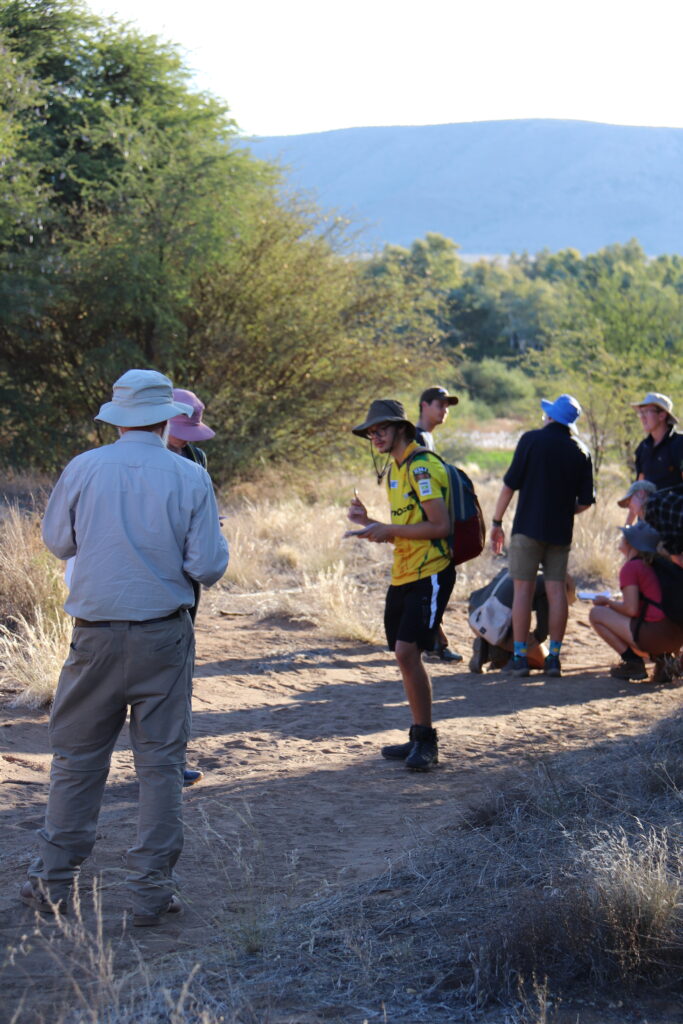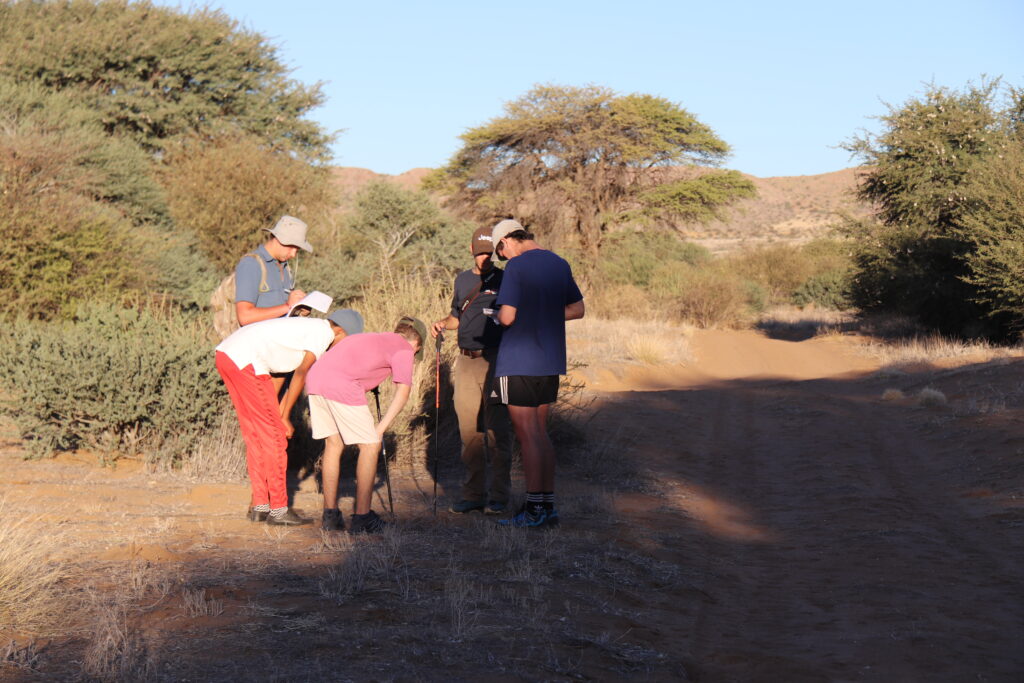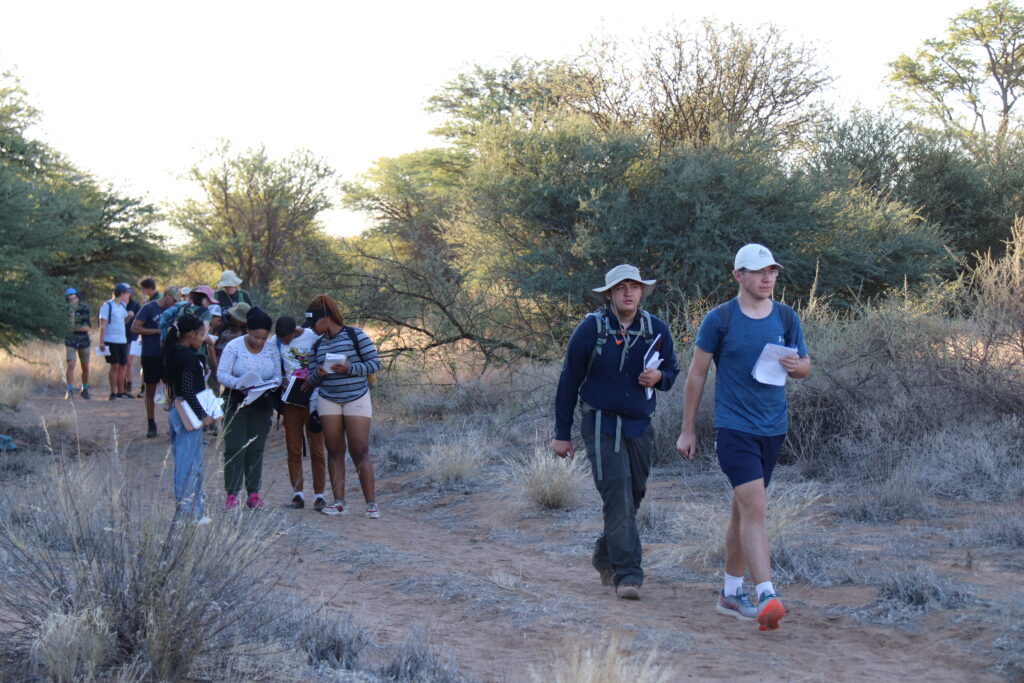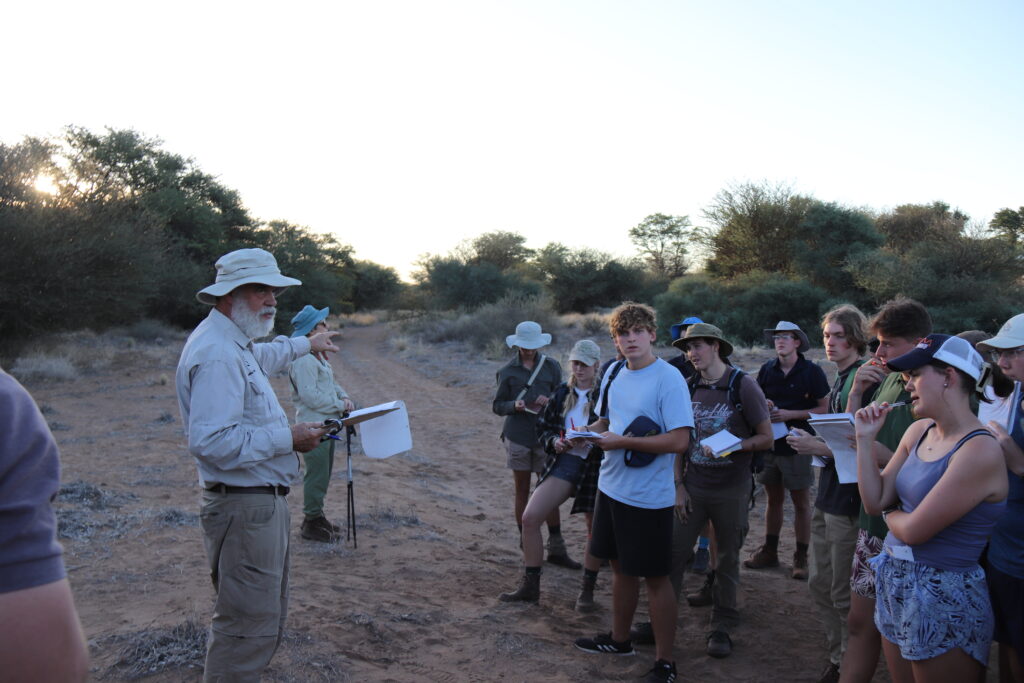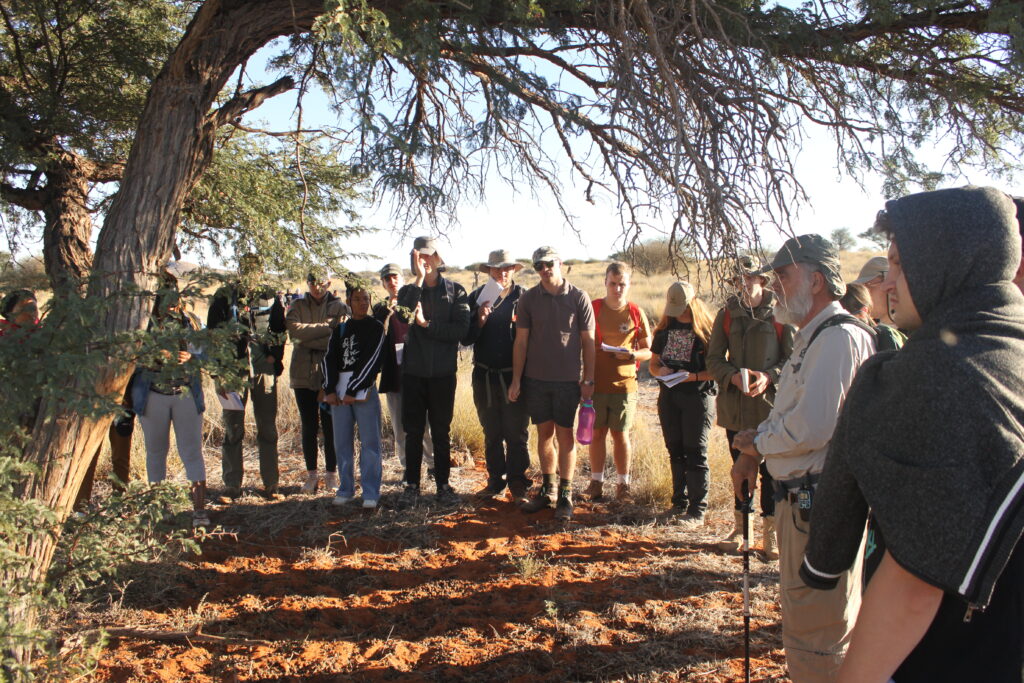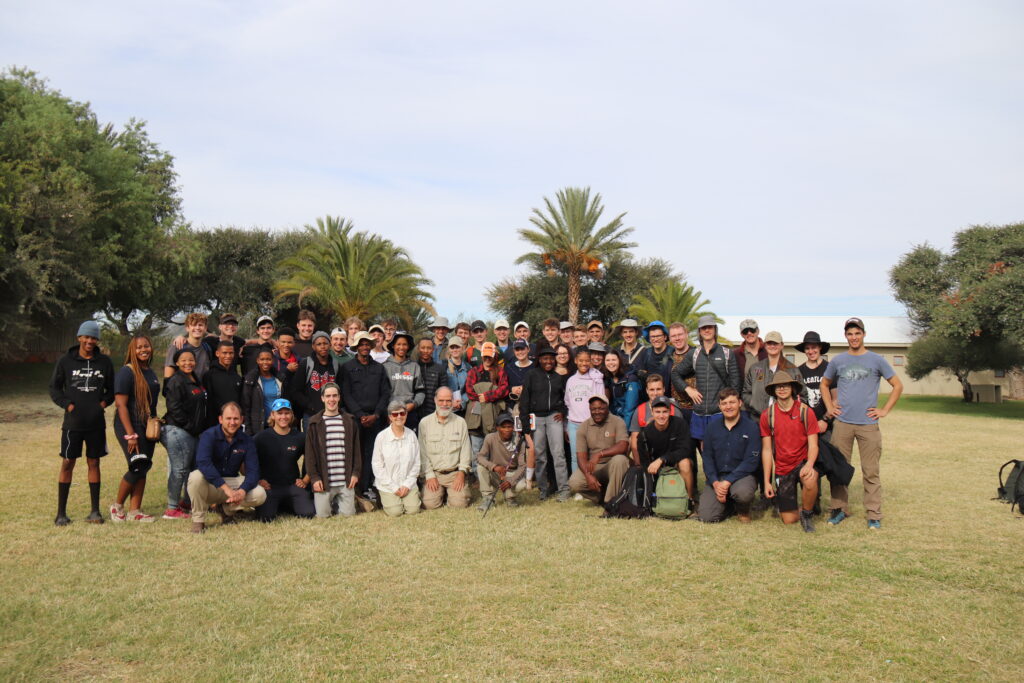
Tracking is an ancient skill that holds great significance in our modern world. It allows us to connect with nature, understand wildlife behavior, and even ensure our safety in certain environments. Recently, a group of students had the privilege of participating in a tracking course led by renowned Master Tracker James Minye, Omakhai Kruiper, descendant of the legendary Dawid Kruiper, and Professors Paul and Eileen van Helden, passionate tracking enthusiasts. Beyond the initial scope of tracking, this course offered valuable insights into logical thinking, observation skills, attention to detail, and research techniques. In this blog post, we will explore the relevance of the tracking course beyond its academic context and delve into the experiences of both the students and the lecturers.
The Practical Relevance:
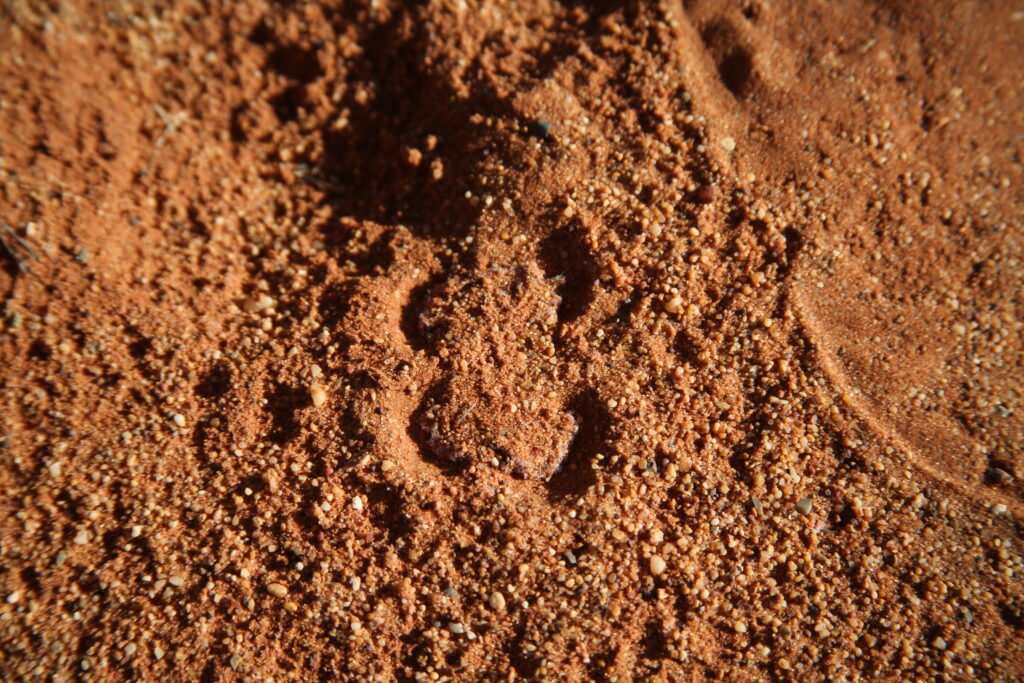
The skills acquired during the tracking course extend far beyond tracking itself. The ability to identify animals through their tracks serves as a crucial safety measure, allowing individuals to avoid potentially dangerous encounters. Moreover, tracking plays a significant role in the fields of conservation and ecotourism. Animal tracks provide valuable research insights, shedding light on their behavior and habitat usage. By honing their attention to detail and observation skills, students develop a deep appreciation for the intricate wonders of the natural world that often go unnoticed.
Student Perspectives:
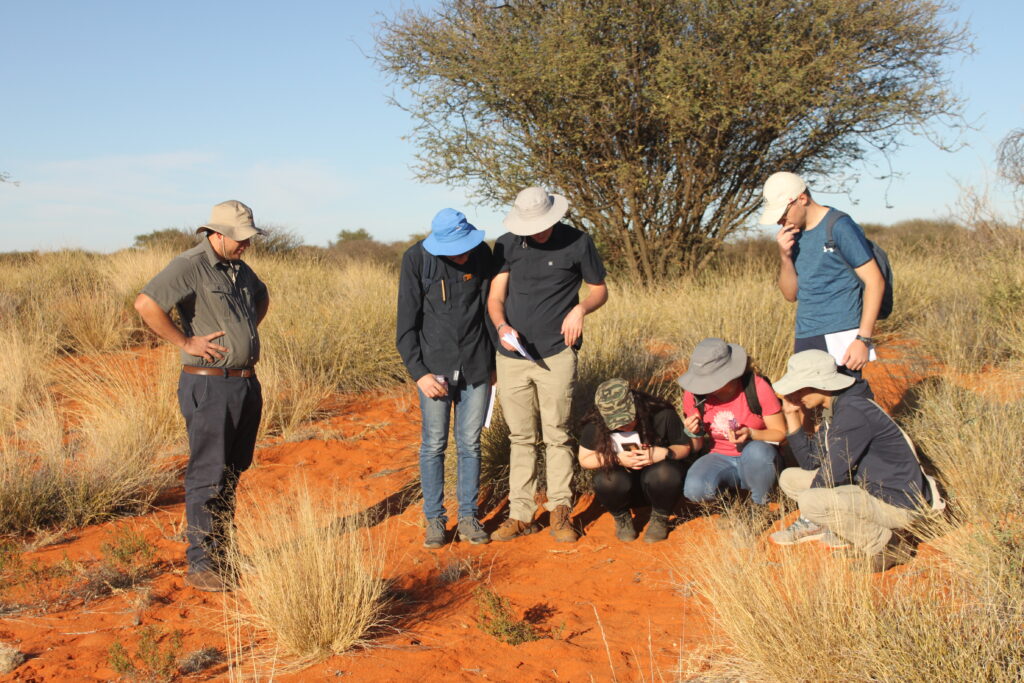
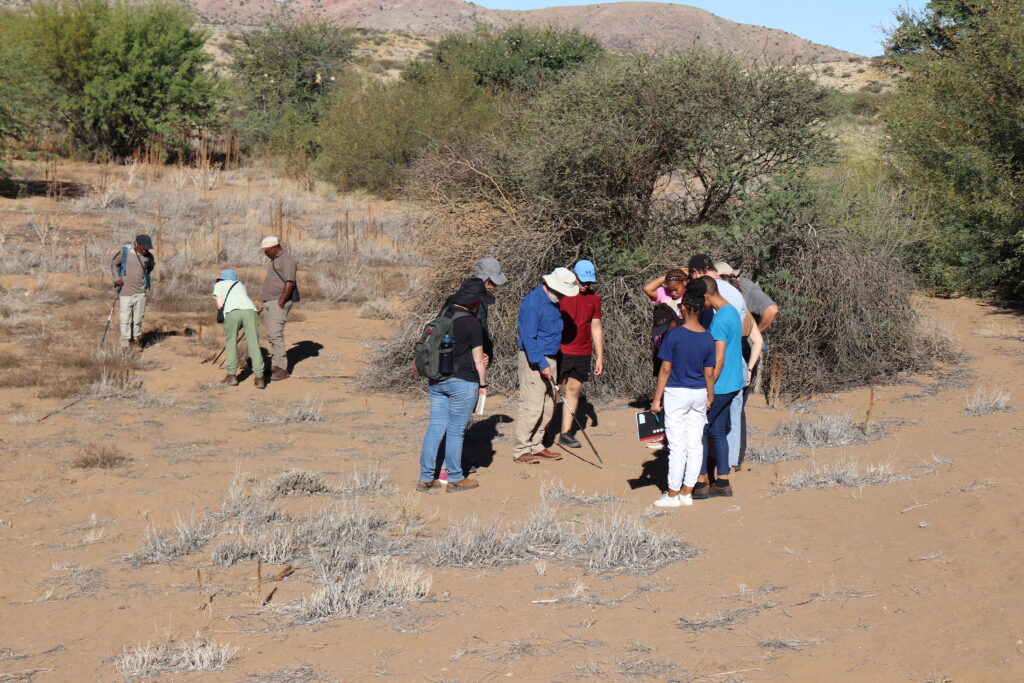
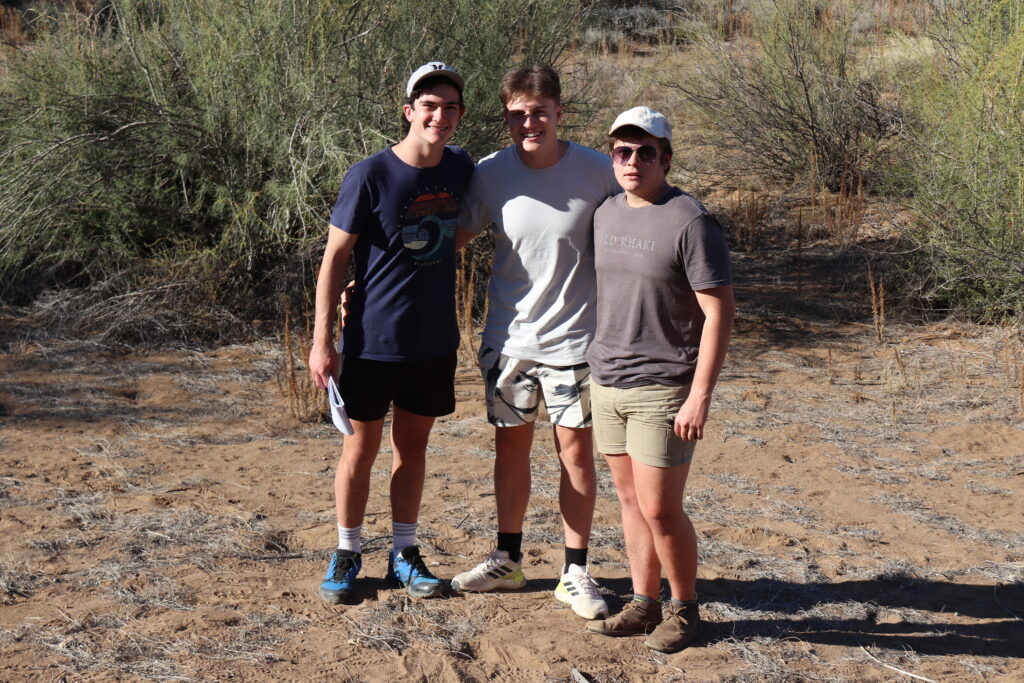
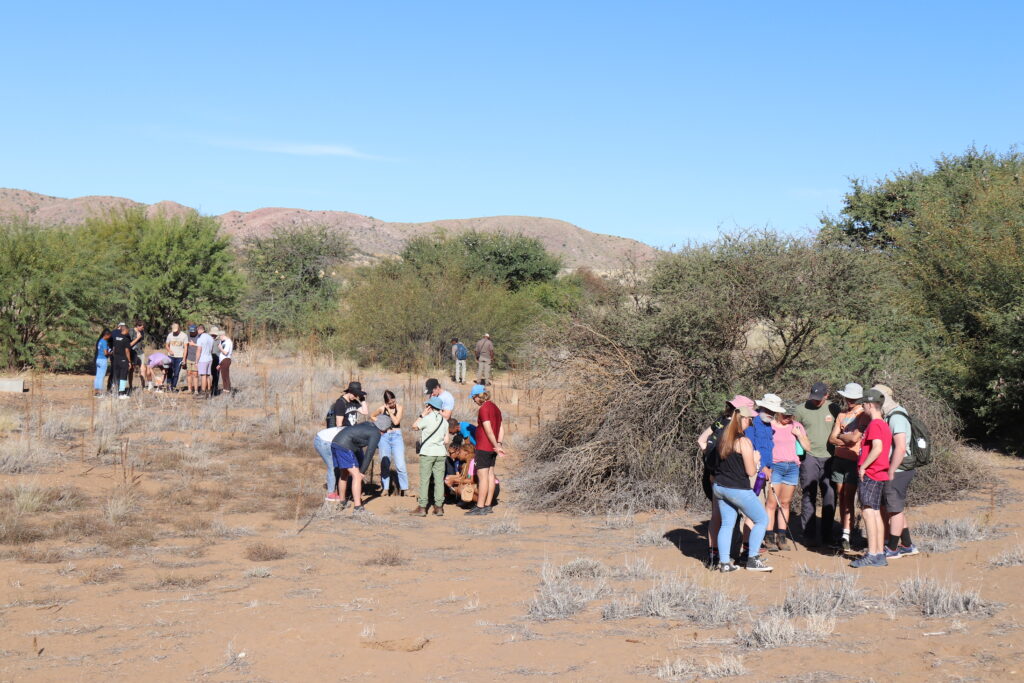
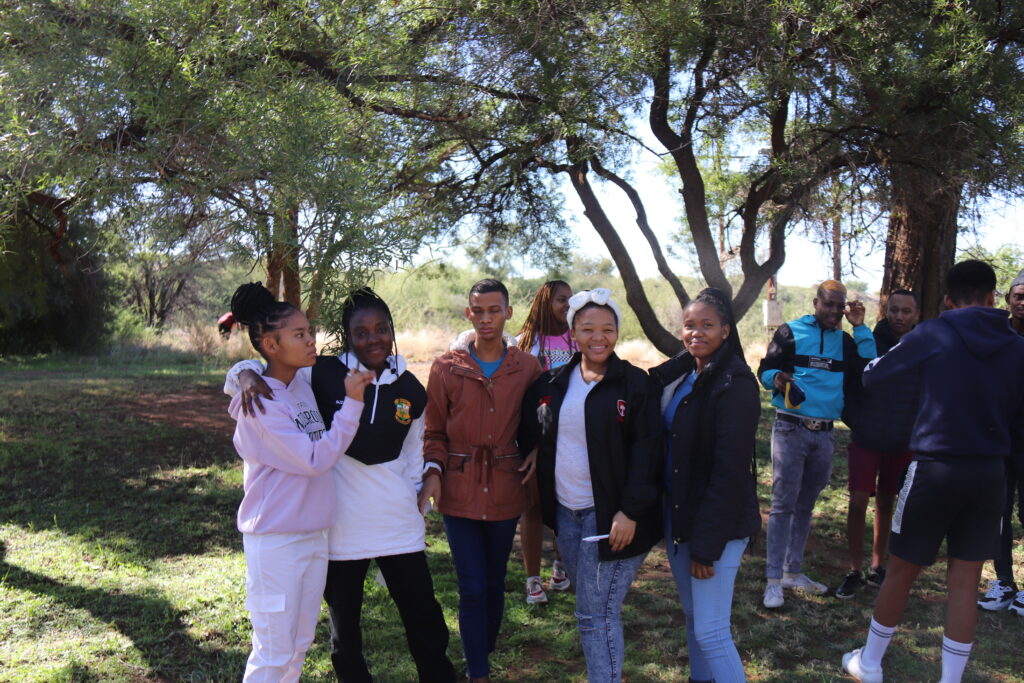
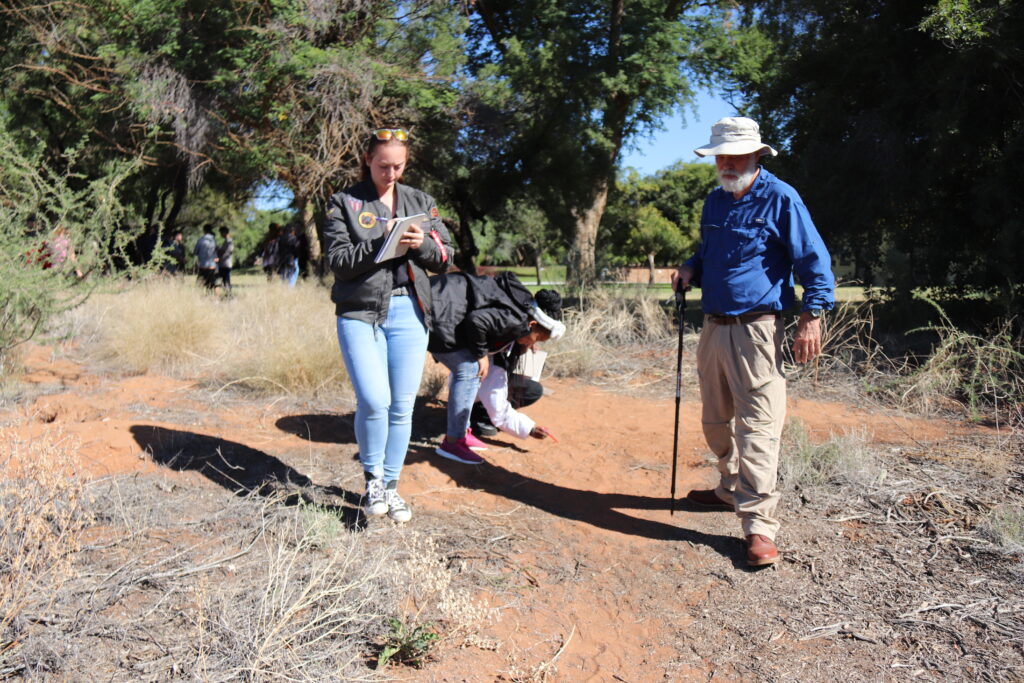
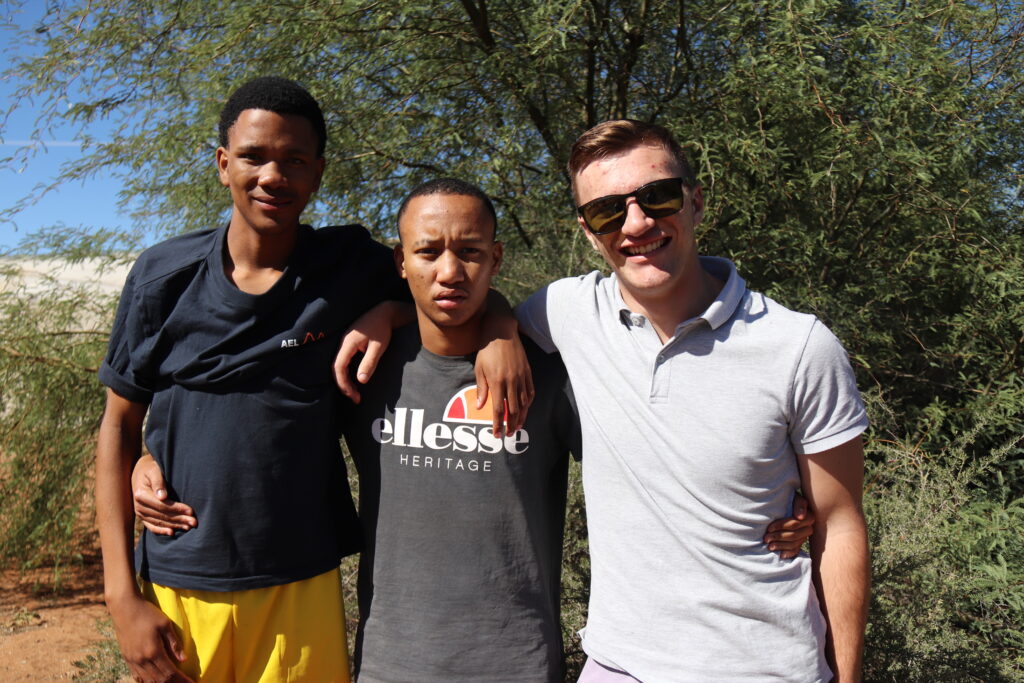
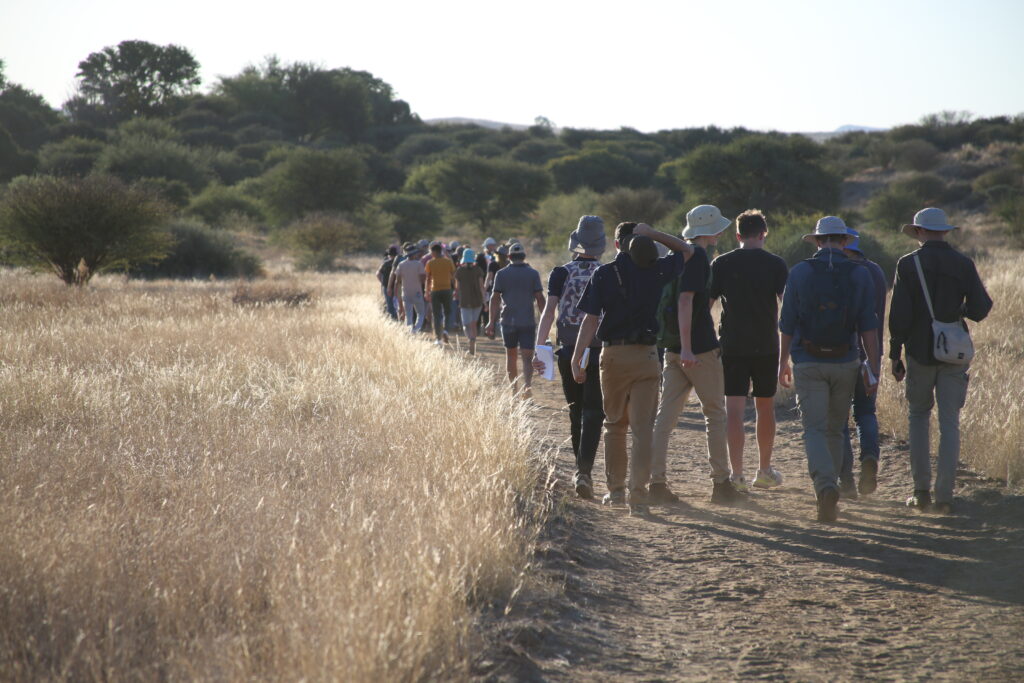
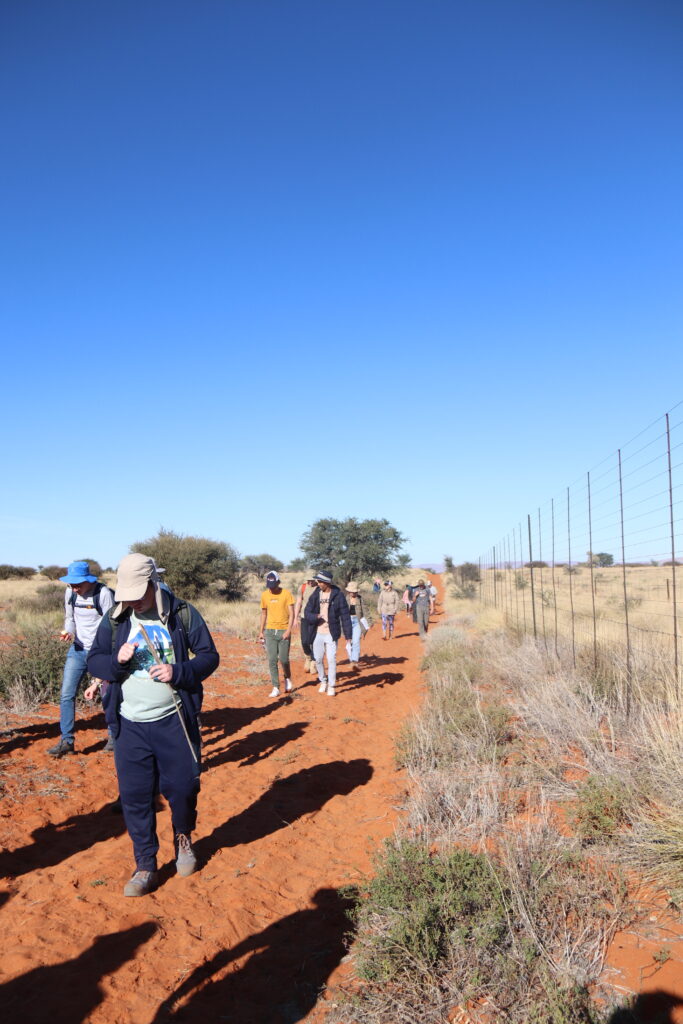
The tracking course left an indelible mark on the students, evident in their continued engagement with tracking even after the course ended. Some students enthusiastically photograph tracks they come across on campus and share their discoveries with others. Witnessing groups of students huddled together, captivated by tracks found on the ground, became a common sight. MC Prins, one of the students, described the experience as highly interesting, expressing enjoyment in observing different tracks and learning about their significance.
Lecturer Insights:
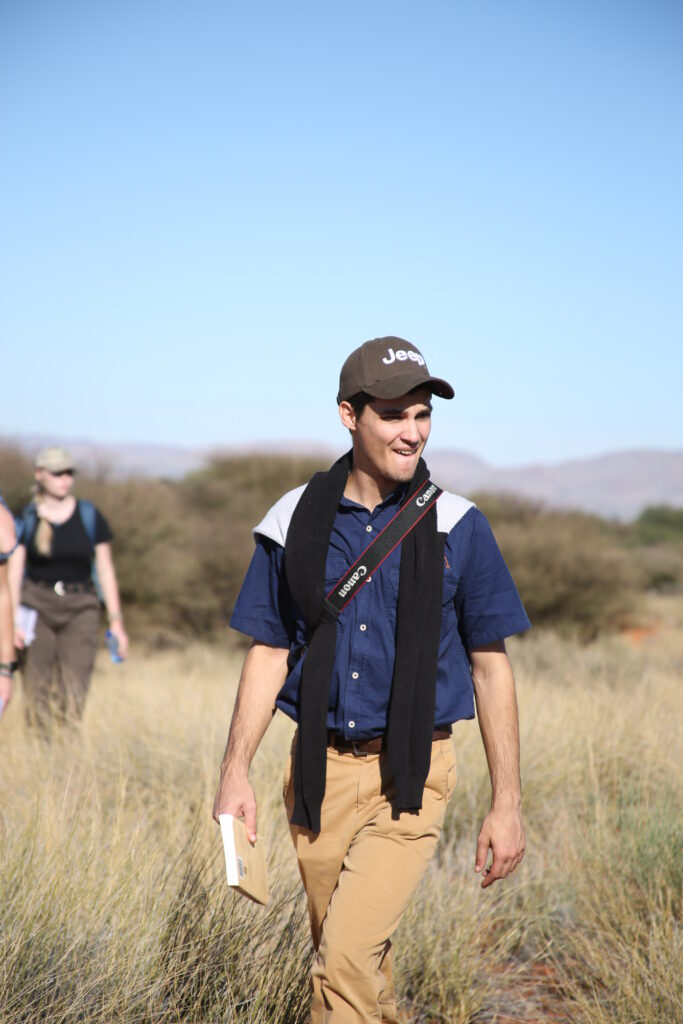
The lecturers themselves were enthusiastic advocates of tracking. Daniel Venter expressed his excitement, recognizing tracking as an age-old technique that symbolizes human intellect and advancement. Even the academic head of the course actively participated, putting his tracking skills to the test. Identifying challenging prints sparked his enthusiasm, further exemplifying the infectious nature of tracking.
Commentary from the Presenters:
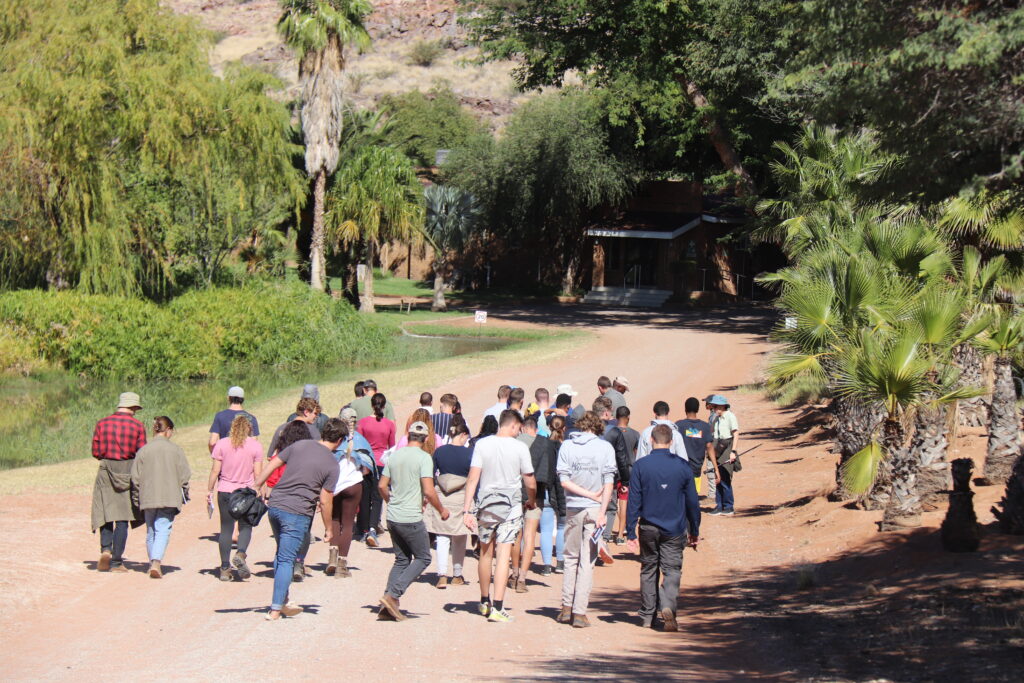
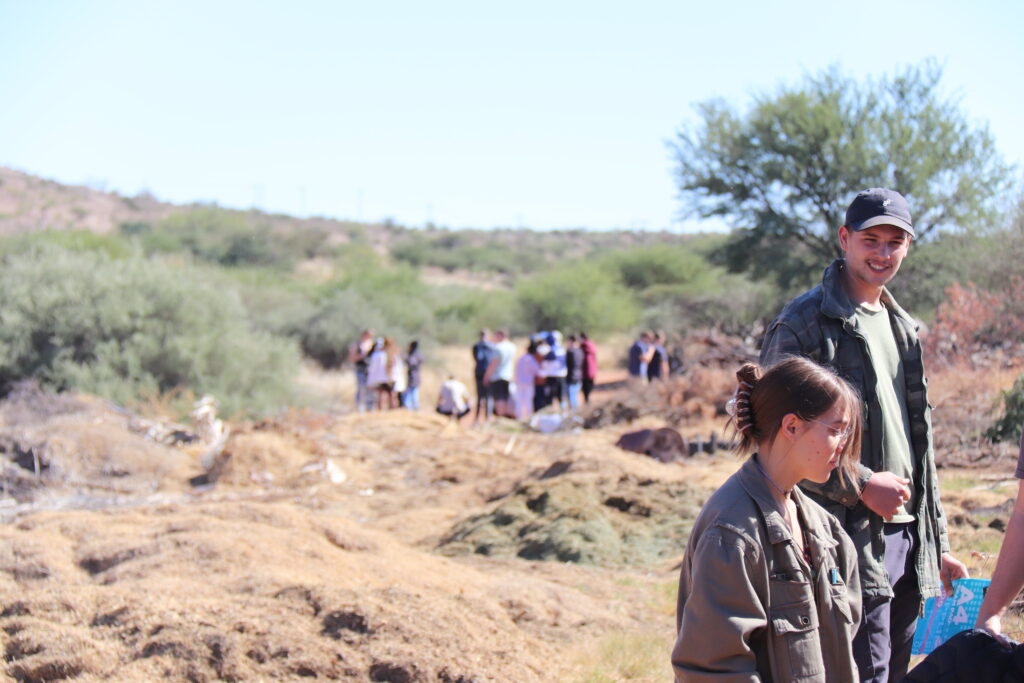
The tracking sessions spanned across the AEL campus, Duin in Die Weg, and a nearby game farm. Astonishingly, participants discovered a rich diversity of animal tracks, showcasing the presence of numerous species even in unexpected locations. The true reward of tracking lies in understanding and appreciating the invisible wildlife that surrounds us daily. While the course aimed to instill the principles and techniques of tracking rather than turn students into expert trackers in just one week, it left a lasting impression. Tracking becomes a lifelong skill, providing insights into the natural world and allowing enthusiasts to practice it anywhere, even in urban environments. Once acquired, tracking is a skill that remains ingrained, much like riding a bicycle.
The tracking course proved to be a transformative experience, going beyond the study of tracks and animals. Students not only gained essential knowledge of wildlife observation and research skills, but they also developed a profound connection with nature and an enhanced sense of awareness. The ability to track and interpret signs from the smallest insect to the largest elephant opens doors to a world that often goes unnoticed. As the students continue their journey, they carry with them a lifelong skill that will forever enrich their understanding of the natural world and their place within it.